Showing posts with label Health Diseases and Disorders. Show all posts

Blood Cancer - Leukemia

Blood plays an important role in the human body. Therefore, if man is deprived of blood should get treatment immediately. When blood disorders like blood cancer it will disturb human health and even cause death.

Blood cancer is a deadly disease so it is important to know about this cancer.

What is a blood cancer?


Blood cancer is often referred to as leukemia which is a malignancy of blood-forming cells in bone marrow and lymphoid tissues, generally occurs in leukocytes (white blood cells).

image : http://www.syafir.com
Abnormal white blood cells multiply in the bloodstream to be a sign of blood cancer.

White blood cells function as the body's defenses under normal circumstances. In patients with leukemia, there is the formation of abnormal white blood cells (leukemia cells) which are different. White blood cells are not in accordance with its normal function.

In addition, the bone marrow produces abnormal white blood cells called leukemia cells. Leukemic cells present in bone marrow will continue to divide and urged the normal cells, so that normal blood cell production will decline.

Classification of Blood Cancer - Leukemia


Leukemia, in general, classified into lymphocytic leukemia and myeloid leukemia. Overall, the leukemia is divided into:

# Chronic lymphocytic leukemia mostly strikes people over the age of 55 years and rarely affects children.

# Chronic myeloid leukemia mostly affects adults.

# Acute lymphocytic leukemia mostly affects children. This type of leukemia is the most types of leukemia in children (approximately 75-80% of leukemia in children). However, it can also strike adults.

# Acute myeloid leukemia can affect both children and adults.

# Other types of leukemia: hairy cell leukemia is a rare type of chronic leukemia.

Causes of Blood Cancer - Leukemia


Causes of blood cancer - leukemia is still not known with certainty. However, according to some studies, people with certain risk factors further increases the risk of leukemia.

Here are some risk factors that can cause blood cancer - leukemia:

# Radiation. High doses of radiation led to an increased incidence of this disease. Medical therapy that uses radiation is also a source of high-dose radiation. While radiation for diagnostics (eg x-rays), the dose is much lower and not associated with an increased incidence of leukemia.

# Exposure to certain chemicals such as benzene and formaldehyde.

# Chemotherapy. Other types of cancer patients receiving certain chemotherapy may suffer from leukemia at a later date eg type of alkylating chemotherapeutic agents. However, these types of chemotherapy remain consideration should be given with benefit-risk ratio.

# Down Syndrome. Down's syndrome and various other genetic disorders caused by chromosomal abnormalities may increase the risk of blood cancer.

# Human T-Cell Leukemia Virus-1 (HTLV-1) causes T-cell leukemia. Type of virus that can cause leukemia is a retrovirus and feline leukemia virus.

# Mielodisplastik syndrome. Mielodisplastik syndrome is a disorder of blood cell formation. It is characterized by a decrease in cell density (hiposelularitas) in bone marrow. The disease is often defined as pre-leukemia. People with this disorder have a high risk to develop into leukemia.

# Smoking

Symptoms of Blood Cancer - Leukemia


A person who has blood cancer - leukemia will not survive long without serious treatment. Therefore, need to be aware of some of the symptoms that occur.

Symptoms of blood cancer - leukemia vary according to the number of abnormal cells and abnormal cells is the gathering place. Common symptoms of leukemia patients, namely:

# Fever or night sweats.

# Often the infection.

# Feeling weak or tired.

# Pale.

# Headache.

# Easy bleeding and bruising. For example, gums bleed easily when tooth brush, lightly bruise easily when bumped.

# Pain in the bones and / or joints

# Swelling or discomfort in the abdomen, caused by an enlarged spleen.

# Enlarged lymph nodes, especially in the neck and armpits.

# Weight loss.

Treatment of Blood Cancer - Leukemia


image : http://top4nology.blogspot.com
After finding out the causes of blood cancer - leukemia, it is important to know how to treat this cancer. Chemotherapy is the most common treatments performed on cancer, especially blood cancer - leukemia. In addition to chemotherapy, there are several ways blood cancer treatments such as radiation therapy, biological therapy, bone marrow transplantation, and surgery (removal of spleen).

However, the treatments are only able to minimize blood cancer malignancy. It is better to consult a specialist doctor in particular for the treatment of this cancer.

Prevention of Blood Cancer - Leukemia


You already know how dangerous blood cancer diseases to humans. Therefore, it is essential to prevent the disease early.

Effective and efficient for the prevention of blood cancers-leukemia have not been found. Avoiding risk factors with healthy lifestyle is the most likely done at this time.

Here are some ways of prevention of blood cancer - leukemia:

# Stop smoking.

# Reduce or avoid consumption of substances karsiogenik.

# Exercise regularly.

# Avoiding certain radiation exposure.

# Intake of foods that are healthy and balanced.

# Get enough rest.


source:

Pancreatic Cancer

Pancreatic cancer is one type of cancer with a very high mortality rate which is only 15 to 20 percent of patients were alive after five years of suffering from this deadly cancer. Pancreatic cancer develops when cancerous cells form in the tissues of the pancreas.

Pancreatic cancer is normally infect people aged over 70 years. However, this cancer also strike younger people.

It would be better if you know what the pancreas is and its function.

What is the pancreas?


The pancreas is an organ located below the stomach and adjacent to the first part of the small intestine, called the duodenum.

pancreas
image: http://acemaxs.com
The pancreas secretes enzymes that aid digestion and hormones that help regulate the metabolism of carbohydrates.

The pancreas consists of two important glands:

# Exocrine glands that secrete digestive enzymes to
# The endocrine glands that produce hormones, including insulin to regulate blood sugar.

Causes of Pancreatic Cancer


Pancreatic cancer is highly aggressive, rapidly spreading and often not diagnosed until late stage. There are several causes of pancreatic cancer such as:

# Damage to DNA that causes a change occurs on the instructions of any chemical process in our bodies. One result is that the cells will begin to grow out of control and eventually forming a tumor - a collection of cells that are harmful and cause cancer.

# Smoking.

# Genetic factors. Those who have a close relationship with cancer patients, such as parent-child relationship and the relationship you have the risk of pancreatic cancer. However, only about 10 percent of pancreatic cancer is caused by hereditary factors.

# Having diabetes can increase your risk of pancreatic cancer.

# Overweight.

# Eat foods high in fat, fewer fruits and vegetables may increase the risk of pancreatic cancer.

# People who work with the content of petroleum, including gasoline and other chemical elements have a greater effect on pancreatic cancer than people who are not exposed to the chemical elements.

Symptoms of Pancreatic Cancer


The invention of pancreatic cancer is often delayed because the symptoms as other diseases. Pancreatic cancer usually does not cause any symptoms until advanced stages. However, if you meet the following symptoms then you need to be vigilant:

# Pain in the upper abdomen that may spread to the middle or upper back. This pain can become worse when you eat or when you lie down.

# Loss of appetite.

# Losing weight significantly.

# The skin and the whites of the eyes yellowish (jaundice), dark brown urine and pale stools.

# Itching. You may feel a great sense of itching due to high levels of bile acids that accumulate on your skin. This is common in advanced pancreatic cancer.

# Nausea and vomiting.

# Digestive problems.

Prevention of Pancreatic Cancer


The following lifestyle can help reduce your risk, although not always possible to prevent pancreatic cancer:

# Stop smoking.

pancreatic cancer causes smoking
image :  obatpropolis.com

# Keep your healthy weight.

# Exercise regularly.

# Eat a healthy diet. A diet rich in fruits and vegetables and low in animal fat may reduce your risk of pancreatic cancer.

Treatment of Pancreatic Cancer


Treatment of pancreatic cancer depends on the stage and location, age and overall health condition so that cancer patients are not getting worse. Here are some of the usual treatments provided to patients with pancreatic cancer:

# The operation is required to remove all or part of the pancreas is problematic.

# Radiation therapy is intended to destroy cancer cells and stop its growth. Radiation is usually given 5 days per week for 5 to 6 weeks. This schedule is calculated to protect healthy tissue by spreading the total output of a radiation dose. This therapy can help reduce pain or indigestion when the common bile duct or duodenum is blocked.

# Chemotherapy to help kill cancer by using drugs.


source:
http://cpddokter.com/home/index2.php?option=com_content&do_pdf=1&id=488
http://majalahkesehatan.com/gejala-dan-diagnosis-kanker-pankreas/
http://prodia.co.id/penyakit-dan-diagnosa/kanker-pankreas

Stomach Cancer

What is stomach cancer?


what is stomach cancer
image : tymask.wordpress.com
Stomach cancer is a cancer that attacks every part of the stomach. Gastric cancer is another name for stomach cancer. One million people died of stomach cancer worldwide each year.

Stomach cancer usually affect men over forty-five years and is one type of cancer most commonly affects humans. One person out of ten people who died of cancer is stomach cancer patient. The researchers believe that patients with stomach cancer grew with the variety of processed food products.

Stomach cancer associated with peptic ulcers, inflammation of the stomach is accompanied by shrinkage of the stomach or genetic factors.

Causes of Stomach Cancer


The cause of stomach cancer is not known with certainty. However, the experts concluded that there are some risk factors that can cause stomach cancer such as:

# Consumption of foods with high salinity, nitrate preservatives.

# Excessive consumption of coffee.

# Consumption of undercooked food. Live bacteria found in undercooked food increases the risk of stomach cancer.

# Smoking and drinking alcohol.

# Heredity / family history.

causes of stomach cancer helicobecter pylori
image : tymask.wordpress.com
# Helicobecter Pylori bacteria produce toxins that damage the unity of the cells in the stomach wall is thought to have a role as a cause of stomach cancer.

# Gastric polyps that continue to grow into the cavity of the stomach can also cause stomach cancer.

Symptoms of Stomach Cancer


Stomach cancer did not show any symptoms at an early stage. In fact, the majority of stomach cancer symptoms can be very vague and general as nausea or heart burn in the beginning. Maybe at first there is indigestion that you think will go away by itself until you know that you have lost a lot of weight.

In the early stages, cancer symptoms such as upper abdominal stomach unwell, abdominal pain, no appetite, nausea, vomiting. While late-stage stomach cancer symptoms are weight loss, anemia and bleeding.

Here are some symptoms of stomach cancer:

# Spots of blood in the stool.

# Constant pain in the abdomen.

# Nausea and vomiting especially after meals.

# Lost appetite.

# Flatulence.

# Constant fatigue.

# Anemia.

# Weight loss.

Stomach Cancer Treatment


Stomach cancer can be treated in several ways such as:

# Surgical removal of part or all of the abdomen is the most common treatment.

# Chemotherapy is used to reduce the size of the tumor, relieve symptoms of cancer and improve survival.

# Radiation to destroy cancer cells and stop their growth.

# Multimodality therapy is a combination of surgery, chemotherapy, and radiation may show a survival benefit of patients with stomach cancer.

In addition to medical, the use of herbs is also one of the alternative solutions for treating cancer of the stomach such as garlic, green tea, ginseng and asia.

Stomach Cancer Prevention


Healthy living is one way to prevent stomach cancer. Here are some ways to reduce the risk of stomach cancer:

# Limit eating foods that are salty and smoked.

# Stop smoking now.

# Eat fruits and vegetables.

# Consult a doctor if you have the risk of stomach cancer.


source:
http://en.wikipedia.org/wiki/Stomach_cancer
http://www.herbalisnusantara.com/?kanker-perut,45
http://www.deherba.com/pengobatan-kanker-lambung.html
http://anykindinformation.wordpress.com/2010/12/25/gejala-kanker-perut/
http://www.mayoclinic.com/health/stomach-cancer/DS00301/DSECTION=prevention

Brain Cancer

About the Brain


The brain is the control center of all activities of mind and body. Therefore, the brain has important roles in the body as a regulator of all the activities of human organs such as move, behave, think, body temperature, blood pressures, heart pressure etc.

The brain is divided into three major parts, the cerebrum (large brain), cerebellum (small brain), and brainstem. Each of them has different functions and roles.

what is brain cancer
image : http://www.mentari.biz/kanker-otak.html
Large brain (cerebrum) controls all the activities of the body especially the functions Relating to intelligence, memory, awareness, and consideration so that it is referred to as the main nerve center.

Small brain (cerebellum) to set the attitude and body position, balance and coordination of muscle movements that occur consciously.

While the brain stem coordinate motor control signal sent from the brain to the body. The brain stem also controls autonomous life support functions of the peripheral nervous system.

If the brain is affected by the disorder or disease, then it will interfere with virtually all human activity. Brain cancer is one of the most feared disease today. Therefore, it is important to acknowledge what brain cancer is.

What is Brain Cancer


Brain cancer is one type of cancer is quite difficult to overcome and very deadly. There are many important things that are very good to know about this cancer.

Brain cancer is a malignancy that occurs in the brain due to tumors that grow and interfere with the performance and brain function.

Causes of Brain Cancer


mobile phone radiation danger causes brain cancer
image : http://copybinpaste.blogspot.com
Brain cancer is caused by the accumulation of DNA mutations in cells that cause cancer. In some studies suggest that radiation can also cause brain cancer.

Symptoms of Brain Cancer


A large part of the brain that has a regulatory function of different body makes brain cancer has a very varied symptoms. Symptoms that appear depend on the part of the brain where the tumor appears. Here are some symptoms of brain cancer:

- Changes in behavior and personality
- Decreased ability to judge things
- Decreased sense of smell
- Decrease in memory
- Paralysis on one side of the body
- Decrease in mental functioning / cognitive
- Decrease in vision and eye nerve inflammation
- Vomiting
- Headache
- Convulsions

Brain Cancer Treatment


There are two general methods for the treatment of brain cancer:

# Medical Treatment
Treatment is aimed at destroying and killing cancer cells, such as the chemotherapy and radiation therapy.

# Alternative Medicine
This treatment is more emphasis on the body's ability to fight cancer cells. Herbal medicine is an alternative brain cancer treatment that is now in great demand.

Prevention of Brain Cancer


According to experts, a healthy lifestyle can prevent brain cancer. Here are some ways of prevention of brain cancer:

# If you experience symptoms of brain cancer, then you should immediately see a doctor and an MRI examination is recommended.

# Avoid heavy stress. Take time to rest or refreshment to reduce stress.

# Limit the use of mobile phones to reduce the effects of excessive radiation.

# Apply a healthy lifestyle like eating vegetables and fruit. Reduce consumption of fatty foods.

# Reduce the consumption of smoked, baked and preserved predictably nitrites, chemicals and other artificial foods.

# Stop alcohol and smoking.

# Checking the health to the doctor regularly.

# Avoid the consumption of drugs without a prescription.

# Adequate and regular exercise.

# Make a healthy lifestyle from now on .....


source:
http://www.deherba.com/pengobatan-kanker-otak.html http://id.shvoong.com/exact-sciences/biology/2167818-bagian-dan-fungsi-otak-manusia/
http://health.okezone.com/read/2012/04/20/486/615069/10-hal-wajib-diketahui-soal-kanker-otak-i
http://tipsku.info/penyebab-kanker-otak/
http://doktersehat.com/tips-dan-cara-menghindari-kanker-otak/

Ovarian Cancer

It's important for women to find out what ovarian cancer is. This cancer ranks as the eighth most disease in women. In addition, ovarian cancer causes of death known as the silent killer.

Ovarian cancer affects women without realizing it at an early stage so that when the cancer is detected, it is already at an advanced stage that can cause death.

What is the ovary?


It's good to know what the ovary is. Ovary is the female reproductive organs shaped like beans. It is stored in the cavity of the lower abdomen. Ovarian function as a production female egg cells.

Reproductive organ ovaries become crucial for the survival of human heredity. If ovarian disease then it will affect the reproductive process in females.

What is ovarian cancer?


Ovarian cancer is a malignancy that attacks the ovaries in women that causes abnormal development of cells.

what is ovarian cancer
image credit: klikdokter.com
In another sense, ovarian cancer is a malignant tumor that can arise in one or both ovaries. Usually occurs in women after menopause, but sometimes in younger women.

Ovarian cancer usually causes no symptoms until it reaches the advanced level. At that time, the cancer is very difficult to treat effectively. Ovarian cancer is usually aggressive and can spread quite rapidly in its development.

Symptoms of Ovarian Cancer


In addition to knowing what ovarian cancer is, women also must know the symptoms of this cancer. If you encounter the following symptoms, do not delay to see a doctor immediately.

# Pain in the abdomen.
# Abdominal swelling.
# No appetite or difficult to eat.
# Hard lump in stomach
# Often feel satiety.
# Bloated constantly.
# Vaginal bleeding.
# Weight loss drastically.
# Headaches and often feel tired.
# If the tumor is large, the pressure on the bladder can cause frequent urination.
# Shortness of breath once in a while if the tumor pressing on the diaphragm.

Although the symptoms of ovarian cancer may be associated with other conditions, you should still talk with your doctor, so as not to become malignant and spread. Additional symptoms may include back pain, fatigue, indigestion, pain during sexual intercourse, and significant changes in menstruation.

Causes of Ovarian Cancer


The exact cause of ovarian cancer incidence has not been definitively confirmed. But this cancer is genetic. There are various theories about the causes of ovarian cancer. It is more common in older women.

Ovarian cancer is more rare in women who had used oral contraceptives for several years, and women who missed period and early menopause.

Ovarian Cancer Prevention


The women can prevent ovarian cancer in several ways.

# It is strongly recommended for early detection of ovarian cancer in women who are symptomatic (without symptoms) is only a physical examination every year. Overall pelvic examination can sometimes detect ovarian cancer, and is usually already in an advanced stage.

oral contraceptive for ovarian cancer prevention
image credit: en.wikipedia.org
# The use of oral contraceptive is associated with reduced risk by 50% of cases to develop into ovarian cancer. However, this can lead to the risk of developing breast cancer. Therefore, it needs good counseling about the effects and consequences that can affect a patient.

# Another way that can be used in preventing ovarian cancer is by oophorectomy (surgical removal of ovaries). In some women with high risk of ovarian cancer, fallopian tubes should be removed.

Ovarian Cancer Treatment


Generally, the treatment of ovarian cancer can be done medically with surgical removal of the ovaries, radiation therapy, and chemotherapy.


source:

Cervical Cancer

Maybe you are very familiar with cervical cancer. However, not everyone knows what exactly is cervical cancer. Therefore, both men and women need to know exactly causes the most cancer deaths for women.

What is cervical cancer?


what is cervical cancer
image credit : deherba.com
Cervical cancer is a disease that occurs in the cervix in the female reproductive organ which is the entrance to the uterus. The cervix is located between the uterus and vagina.

Human papilloma virus (HPV) oncogenic affecting the cervix is the cause of 99.7% of cervical cancers. If the cancer has entered an advanced stage, this cancer can spread to other organs throughout the body.

According to the World Health Organization (WHO), cervical cancer is currently ranked top among the various types of cancer that causes death in women in the world.

Causes of Cervical Cancer


Cervical cancer is caused by Human Papilloma Virus (HPV). This virus has more than 100 types, most of them are harmless and will disappear by itself. HPV virus types that cause cervical cancer are HPV types 16 and 18.

image credit : womenhealthzone.com
Transmission of HPV virus can occur through sexual contact, especially with multiple partners. Virus transmission can occur either by transmission through the genital organs to the genital organs, oral to genital or manually to genital.

Therefore, the use of condoms during intercourse does not significantly prevent transmission of HPV virus. Persistent infection will lead to abnormal cell growth that can eventually lead to cancer development. This development takes between 5-20 years, starting from the stage of infection, precancerous lesions to be positive cervical cancer.

Symptoms of Cervical Cancer


Cervical cancer at an early stage do not show typical symptoms, even without symptoms. While the symptoms in advanced stages include bleeding post coitus, abnormal vaginal discharge, bleeding after menopause and abnormal discharge (yellowish, odorless, and mixed with blood).

Cervical Cancer Treatment


The medical treatment of cervical cancer can be done by heating, diathermy or laser for a new experience cell abnormality. If the disease has reached the stage of pre-cancer and cervical cancer, then there are some things you can do to cure, among others:

# Operation, namely by taking the cancerous area, usually the uterus and cervix.

# Radiotherapy is the use of high-powered X-rays that can be done internally or externally.

Prevention of Cervical Cancer


In general, our immune system will clear the virus. But when the system is not working, cervical cancer and other diseases can develop. There is no way to know who would be infected or cleared of the virus.

Therefore, people should take preventive HPV virus growth as early as possible. Starting with yourself, also in children.

Prevention of cervical cancer include:

# Primary prevention.

First through education. Education is also about social religion. The point is not to have multiple sexual partners, do not vary as much as possible partners and having sex only with a legitimate partner.

After education, HPV vaccination is the prevention of cervical cancer for women and girls. HPV vaccination can prevent someone from having cervical cancer, vaginal cancer and vulvar cancer in women.

HPV vaccination can be performed on women aged 10 to 50 years. In men 10 to 27 years. The amount of virus susceptibility to HPV after the vaccine was 90 percent under the age of 40-50 years. While in the 40-50 years, to avoid the possibility of 80 percent.

# Secondary Prevention
Screening and early detection to find cases early so that the possibility of healing can be improved.

# Tertiary Prevention
Tertiary prevention is treatment to prevent clinical complications and early death.


source:
http://health.okezone.com/read/2012/04/13/485/611365/kenali-cegah-kanker-serviks
http://health.okezone.com/read/2012/05/13/482/628842/komentar/read/2012/05/13/482/628842/kanker-serviks-renggut-nyawa-8-000-perempuan-indonesia
http://id.wikipedia.org/wiki/Kanker_leher_rahim

Breast Cancer

what is breast cancer

Breast cancer is a frightening disease for women. According to the World Health Organization (WHO), breast cancer ranks second as the most common cancer affects women in the world. Approximately 8-9% of women will develop breast cancer in their lifetime.

The incidence of breast cancer in developing countries is lower compared to developed countries. The researchers believe that the socio-economic circumstances, lifestyle changes, and menstrual pattern, is associated with an increased risk of breast cancer.

What is breast cancer?


Breast cancer is malignant cells found in breast tissue, can be derived from the gland components (epithelial tract and lobules) as well as other components such as fatty tissue, blood vessels, and nerves in the breast tissue. Breast cancer often strikes women. However, this cancer also affects men, although rare.

Causes of Breast Cancer


Breast cancer occurs due to the changes / specific mutations in the DNA of breast cells. DNA is the chemical components that make up our genes. There are mutations of genes that are inherited (genetic), but there also seems to happen on its own without the knowledge of the exact cause.

The following are some causes of breast cancer:

1. Genetic factors - A woman's sister, mother or daughter had breast cancer have twice the risk than families with no history of cancer. Some medical experts said breast cancer is genetically transmitted.
2. Obesity
3. After menopause increases breast cancer risk from the effects of estrogen and progesterone greater.
4. Smoking - cigarette smoke in addition to having direct effects of toxic and carcinogenic, it can also affect the risk of chronic disease through hormonal mechanisms.
5. Alcohol - alcohol increases levels of endogenous estrogen thereby increasing tumor activity.
6. Factors of age (> 50 years)
7. Hormonal - especially the use of hormonal contraceptives.
8. Environment, such as pollution.
9. Genetic mutation.
10. Gynecological history. 
11. Lack of Physical Activity - Exercise can reduce the risk of breast cancer. The question is how much training is required? In a study of the Women's Health Initiative (WHI), a brisk walk at least 1:25 -2.5 hours per week can reduce the 18% risk of developing breast cancer. Runs 10 hours a week can reduce the risk even less. Physical exercise is recommended for 45-60 minutes, at least 5 days a week.

Breast cancer symptoms


Although breast cancer is one of the most deadly disease in women, but many do not know the symptoms of breast cancer. The first symptoms often appear is a lump in the breast area or near the armpit. Although not all lumps are cancerous, but it remains to watch.

Another symptom is swelling of the whole or part of the breast, accompanied by irritation of the skin of the breast and nipple pain.

Breasts blush and skin color have a scaly surface like an orange peel. The skin will feel rough and stiff, often difficult to heal wounds that arise and feel the heat as well as swollen.

Discharge of blood is also a breast cancer symptoms to look out for. Blood fluid that comes out is generally not much, but it is quite disturbing. In addition to blood can also be yellowish liquid such as white blood or even pus. This is usually followed by pain on the surface of the breast and itching in the area around the nipple. The appearance of the nipple was generally unchanged, which is seen flat or entered into.

When the nipple that goes into, along with the breast reddish, scaly or thickened, as well as discharge from the nipple other than breast milk, it means the cancer has advanced and become more difficult to handle.

Breast Cancer Treatment


Correct diagnosis will greatly influence the success of breast cancer therapy. Breast cancer treatment can be done through surgery, chemotherapy, hormonal therapy, radiation therapy, and most recently the monoclonal antibody therapy. The treatment is intended to destroy or limit the spread of cancer and eliminate the symptoms.

Radiation therapy is used to kill cancer cells in the affected area.

Meanwhile, a combination of chemotherapy drugs to kill cells that proliferate rapidly or pressing breeding. Hormone inhibitor drugs used to suppress the growth of cancer cells throughout the body.

Breast Cancer Prevention


The best prevention of breast cancer, which we know is to do a screening test, to determine the early existence of a potentially cancerous lump. Early detection allows a simpler treatment in these patients, the success rate is also much better than when the cancer is advanced stage.

However, here are some tips to help prevent breast cancer:

1. Exercise regularly. Recommended total duration of exercise 150 minutes a week for moderate intensity activity such as brisk walking and 75 minutes per week for strenuous activity like running or swimming. Exercise can lower estrogen levels are very closely related in triggering breast cancer.

2. Maintain weight and avoid obesity.

breast cancer prevention
image credit : knowledgebase-script.com

3. Avoid alcohol, cigarettes, food and drinks with a lot of additives such as sweeteners, preservatives, and dyes .

4. A healthy diet with more vegetables, fruits, soy, and vitamin D supplements if necessary.

5. Avoid eating undercooked meat as part of the burning contains substances that can trigger cancer (carcinogenic).

6. Avoid saturated fats like fatty meat, butter, and full cream milk. While the healthy fats that can be obtained from olive oil, fatty fish, and nuts.

7. Breastfeeding. Mothers who are pregnant until just months before the age of 20 years, and who breastfeed their own babies have a reduced risk of breast cancer because estrogen at that time tended to decrease.

8. Avoid or limit as far as possible from outside the body of extra estrogen. For example, in those who use hormone therapy for menopausal problems.

9. Avoid exposure to radiation in the breast area. Avoid placing the phone close to the chest for a long time.

10. If you have a family history of breast cancer, do it early consultation with health professionals for further examination, because the risk of getting cancer is higher than individuals without a history of cancer

11. Do a self breast examination or a routine examination by a health care on a regular basis, to detect early abnormalities in the breast. A more sophisticated such as mammography is recommended in those with a family history of cancer, and age above 35 years. For breast self-examination techniques, you should contact the nearest health professionals such as doctors to notify an example, so that more accurate detection results when performed independently at home.


source:

Prostate Cancer

About the Prostate


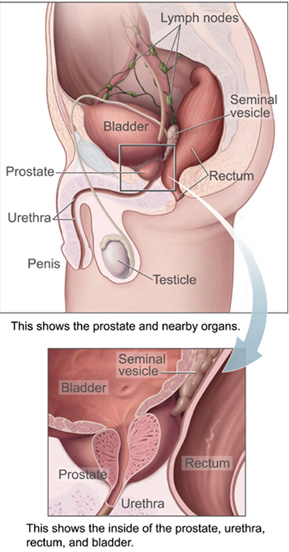
The prostate is a pear-shaped gland located in front of the rectum and surrounds the bottom of the bladder or urine storage.

The main function of the prostate is to produce fluid which protects and deliver sperm when a man ejaculates. The more a man gets older, it also increases the risk of prostate cancer. That's because the prostate often enlarges gradually after the age of 50 years. At that time, the hormone testosterone in the testis is converted by the enzyme 5-a reductase to dihydrotestosterone (DHT).

What is prostate cancer?


Prostate cancer is cancer that develops when prostate cells mutate and begin to grow out of control. These cells may spread from the prostate metastasis to other body parts, especially the bones and lymph nodes. Prostate cancer may cause pain, difficulty urinating, erectile dysfunction and other symptoms.


causes of prostate cancer

http://en.wikipedia.org/wiki/Prostate
Prostate cancer is one of the deadliest men's cancer in the world. There are about 400,000 new cases are found each year. Men over age 50 have prostate cancer risk. In general, prostate cancer occurs in men, especially those aged over 65 years.

Prostate cancer needs to watch out because it develops slowly and had no symptoms until it has reached an advanced stage.

Causes of Prostate Cancer


The cause of prostate cancer is not known with certainty, but there are some things that can increase a person's risk for prostate cancer, including age and family history. Hormonal factors, diet high in fat, and toxins are also cited as a risk factor for prostate cancer although the relation is not clear.

Symptoms of Prostate Cancer


Recognizing the symptoms of prostate cancer can increase the chances of curing the deadly disease, especially for the elderly. If it's too late to do the treatment of prostate cancer, making it difficult to cure.

If it has been handled since the early stages, the life expectancy can reach 90%. When it reaches advanced stages, in many cases, life expectancy is only 50 percent. In 5 years, the patient will die.

Here are some symptoms that may occur in prostate cancer:

1. The desire to urinate more often, especially at night.

2. Difficulty when urinating.

3. Difficulty holding urine.

4. Weakness or disturbance in the flow of urine.

5. Feel pain or burning during urination.

6. Difficulty in having an erection.

7. Pain during ejaculation.

8. There was blood in urine or semen.

9. Frequent pain or stiffness in lower back, hips, or upper thighs.

10. Blood appears in the urine or semen.

11. erectile dysfunction

You should immediately consult a doctor if you have one or more of the above symptoms.

Although probably not due to prostate cancer, but these symptoms can also indicate the presence of disease or other disorders of the prostate, such as BPH or prostatitis.

Prostate Cancer Treatment


Prostate cancer can generally be classified according to malignancy and the stage. Degree of malignancy describes a number of tumor cells has undermined the normal cells of prostate cancer.

Before treatment, it is better to know the stage, then make sure no cancer cells spread to bone. Therefore, it requires a bone scan or MRI, if necessary. Prostate cancer treatment options include observation if it is still small, surgical removal of the testicles, light therapy, hormonal therapy, chemotherapy and palliative care.

Chemotherapy treatment is mainly carried out on prostate cancer patients who have advanced stage, which spread to the spinal cord. In this condition, patients usually experience tremendous pain in the spine and hip. Chemotherapy treatment serves to reduce the pain, so at least improve the quality of life of sufferers.

Prostate Cancer Prevention


Here are a few tips that can reduce the risk of prostate cancer:

1. Keep your weight remains ideal. If you suffer from obesity then see a nutritionist to set up a balanced diet. Combine well with sports activities.

prostate cancer prevention tomato
2. Drink plenty of water. Water is essential to health because it helps reduce the toxins - toxins from the body. The ideal water consumption per day is 6-8 glasses a day. Coffee and tea are not included in the consumption of water.

3. Avoid drinking alcohol.

4. Eating foods that contain lots of lycopene such as tomatoes and bits.

5. Eating foods that contain omega-3 fatty acids such as soybeans and soybean products such as milk, salmon, tuna and sardines.

6. Eating foods that contain beta-carotene such as carrots.

7. Reduce consumption of meat and fat.

8. Make sure you have adequate intake of selenium and vitamin E.

9. Reduce stress and depression. Look for activity or exercise to help soothe the mind.


source:

Lung Cancer

About Lung Cancer


Lung cancer is a malignant disease that occurs in lung tissue. Lung cancer ranks second leading cause of death of a person from cancer, after breast cancer. Lung cancer contribute to 32% of deaths in men and 25% in women with cancer so that it becomes a major cause of cancer death.

Cancer derived from cells in the lungs could also come from cancer of other body parts, but spread to the lungs. There are 180 thousand people are convicted each year of lung cancer, 86% of them will die within five years since diagnosed (in the U.S. alone).

It is important for us to understand how the structure of the human lung and how it works so that we can understand lung cancer.

Lung anatomy


detail lung anatomy
image credit: arlinbiocomunity-biocomunity.blogspot.com
Lungs are the respiratory organs which have an important role in the human body. Lung function is to exchange oxygen from air with carbon dioxide from the blood with the help of hemoglobin is known as respiration or breathing.

Lung organ located in the chest cavity (thoracic cavity). Collar bone structure protect the lungs. Two walls known as the pleura covering this respiratory organ. Both layers are separated by a layer of air, known as the pleural cavity containing pleural fluid.

Humans breathe to get oxygen. However, not all of the inhaled air can be used by the body because the air is mixed with various types of gas. At the time we breathe, the lungs draw air from the chamber throat. Order ribs pulled towards the inside, and the diaphragm under the ribs move upward as we exhale. When the lungs decreases, the air inside the air sacs gradually pushed out through the windpipe.

Types of Lung Cancer


In general, there are two types of lung cancer, each of which has different behavior and require different handling.

Here are the types of lung cancer:

1. Non Small Cell Lung Cancer (NSCLC):

a.Recurrent squamous cell carcinoma:
This is the most common type of lung cancer occurred. This type of cancer develops in cells that line on the airways. The main cause of recurrent squamous cell carcinoma is the habit of smoking.

b. Adenocarcinoma
This type of cancer develops from cells that produce mucus (sputum) on the surface of the airways.

c. Large cell carcinoma
This form of cancer cells under the microscope as the name implies: a large round cells. Often referred to as undifferentiated carcinoma

NSCLC includes more than 80% of cancer cases.

2. Small Cell Lung Cancer (SCLC).

3. Mesotheolima is a type of cancer that attacks the mesothelium, the thin membrane lining the chest (pleura) and abdomen (peritoneum). It sometimes occurs in people exposed to asbestos.

Causes of Lung Cancer


Lung cancer has always been synonymous with a smoker. However, many factors can cause lung cancer.

smoke as causes of lung cancer
image credit: http://www.sxc.hu/photo/1379962
Smoking has a major influence on the increased risk of lung cancer. Approximately 90 percent of cases of lung cancer in men and 70 percent in women caused by smoking. Active smokers and passive smokers had the same risk of lung cancer is just as great.

Lung cancer is caused by many factors. The most numerous and the main cause is smoking. But the environment also influences. Examples are asbestos, has been known to people living with ceiling using asbestos have an increased risk of lung cancer. It is therefore best to avoid asbestos when building a house.

Radon can also contribute as a cause of lung cancer. Radon is a natural gas that is colorless and odorless. This gas is in uranium, in an industrial environment. So, for people who are in a region thought to contain radon, such as industry, can use the masks in anticipation of lung cancer.

Carcinogenic substances that cause lung cancer such as nickel, kronium also present in the environment, such as at work or home.

People who drink lots of alcohol, a potentially taxable as lung cancer, especially if your age is getting older.

Genetic factors is also one cause of lung cancer, but not so large, only 10 to 15 percent. For those who already smoke, stop immediately because of the danger. People who stop smoking reduce the risk of lung cancer.

Symptoms of Lung Cancer


There are some symptoms of lung cancer are:

a. shortness of breath,
b. prolonged cough,
c. coughing of blood,
d. chest pain,
e. sigh,
f. fever,
g. and weight loss.

Usually these symptoms will occur when the cancer is already stepping on the final stage, which means that smokers will not realize that he had cancer at a young age. Lung cancer symptoms that often occur in the community is a long coughing in people who smoke, difficulty breathing, voice changes than usual, and cough for more than two weeks in people who do not smoke.

Lung Cancer Treatment


image credit : cornwallcancercare.co.uk

    There are several types of lung cancer treatment, namely surgery, chemotherapy and radiation. The types of treatment tailored to the type of cancer, the level of expansion or spread at the time of diagnosis, and overall health condition of the patient. Surgery is the main treatment measures in the early stages of cancer. Patients who undergo surgery can not switch to radio therapy.

    Cure rates of lung cancer is still very good if it is still at an early stage. The problem is, lung cancer is rarely detected at an early stage. If cancer cells have spread to other areas, treatment options are chemotherapy and radio therapy. If cancer is blocking the main air flow, the laser can be used to freeze the tumor, or keep open the flow of air with a stent, or tube.

    Lung cancer prevention


    The main way to reduce one's risk of lung cancer is to quit smoking. Other cancer prevention efforts known as Chemoprevention. Chemoprevention is the use of natural materials, methods of a particular diet and synthetic chemicals to prevent disease progression such as vitamins, diet, and hormone therapy.

    There are many ways and the material being tested with the aim not only to reduce cancer risk, but also to reduce the chance of cancer growth.


    source:
    http://www.kankerparu.org/main/index.php?option=com_content&task=view&id=19&Itemid=33